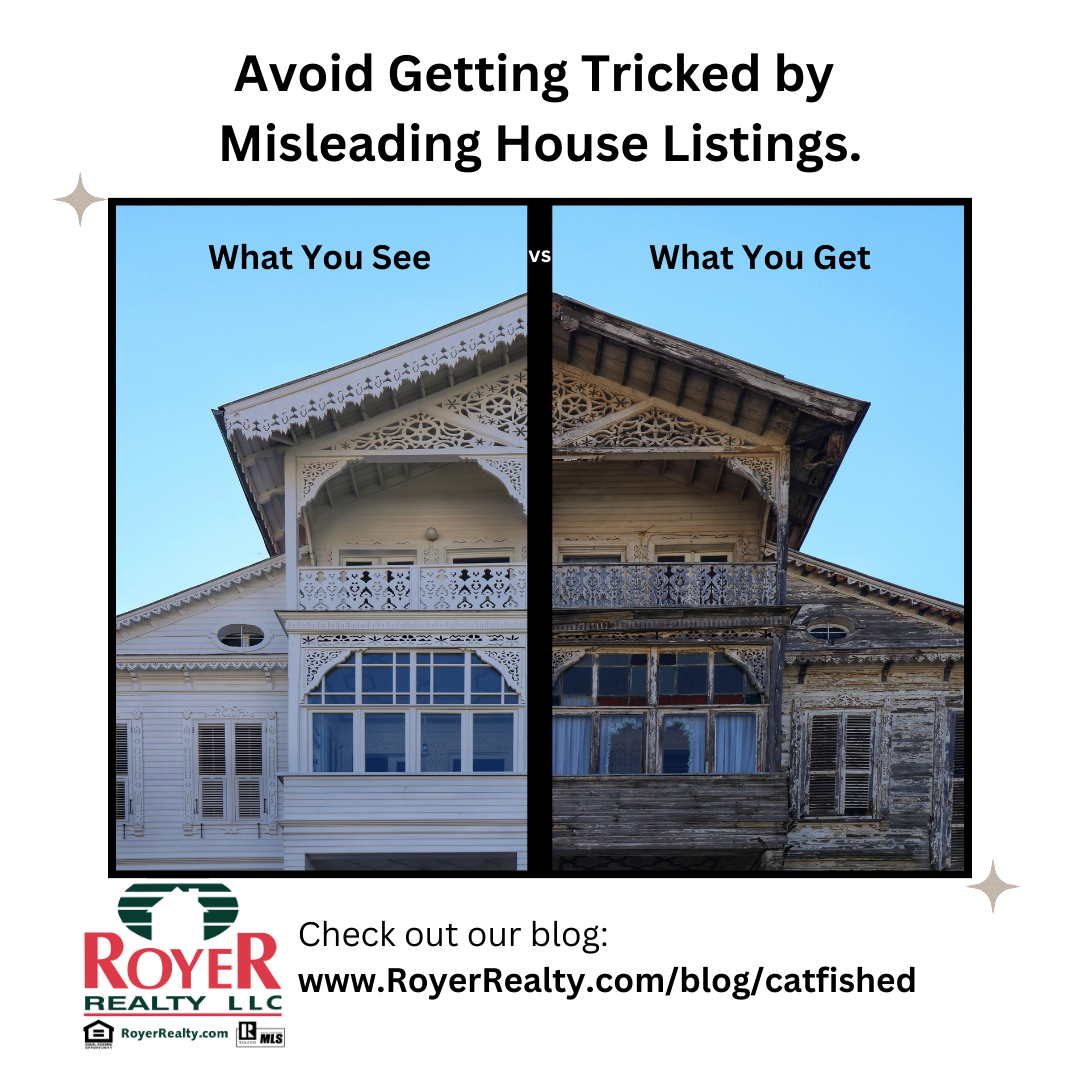
How to Avoid Being Catfished by a House Listing: Red Flags to Watch For
Buying a home can be an exciting yet stressful experience. Whether you're a first-time buyer or a seasoned homeowner looking for a new property, one thing remains true: you want to find the perfect place that checks all your boxes. Unfortunately, sometimes the house that looks perfect online isn't quite as advertised. In fact, it could be a "catfished" listing—one that has been deceptively altered to make the property look better than it really is. In this blog post, we’ll explore the common red flags to watch for and how to avoid falling victim to a misleading property listing.
1. Too Good to Be True Photos
One of the biggest indicators of a "catfished" listing is an overly edited or unreasonably perfect set of photos. If the pictures seem too polished, too bright, or show a home that looks unrealistically pristine, it’s time to dig deeper. Be wary of listings that don’t have enough pictures, or where rooms appear unnaturally spacious or sleek.
What to do: Request more photos or even a virtual tour. A reputable listing should have high-quality, honest pictures that represent the actual state of the home.
2. Missing or Vague Property Descriptions
Another red flag is when a listing's description is overly vague or doesn't include key details like the square footage, number of bedrooms, or the condition of the property. If you see phrases like "cozy" or "needs a little TLC" without more context, it's time to proceed with caution.
What to do: Always ask for more information about the property's history, any repairs that have been done, and any major issues. If the listing lacks these details, it could be a sign that the seller is hiding something.
3. Price Is Too Low for the Area
While everyone loves a great deal, a price that’s too low compared to comparable properties in the area could indicate that something’s off. It may seem tempting, but an unusually low price might be a tactic to attract attention to a home that has hidden flaws or serious issues that the seller wants to unload quickly.
What to do: Research the market in the neighborhood and compare the price of the listing to other similar homes. If the listing is far below market value, ask your real estate agent for a second opinion.
4. Outdated Listings That Don’t Match Reality
Sometimes listings go stale, but some sellers keep properties on the market, hoping to reel in buyers without updating photos or descriptions. If the house was listed months ago but the information remains unchanged, it's time to ask why.
What to do: Make sure the listing has recent updates. Ask when the listing was last updated and be cautious if the seller is hesitant to offer updated information.
5. A Seller Who Pushes Too Hard
If a seller or agent seems too eager to close a deal without letting you ask questions or fully inspect the home, this is a major red flag. They may be trying to rush you into a decision before you uncover all the flaws or inaccuracies in the listing.
What to do: Take your time during the buying process. Make sure you schedule a home inspection and have ample opportunity to ask questions about the property.
6. Overly Positive Reviews
While it’s good to see reviews from previous buyers, be cautious if the reviews are all glowing and seem too perfect. Fake reviews often highlight the same qualities and use similar language, which can be a sign that the listing is misleading or even fraudulent.
What to do: Look for reviews on multiple platforms and read between the lines. If something seems off, trust your instincts and consider looking for other options.
So, now what? See the Home in Person and Schedule Inspections!
While photos and online descriptions can provide a general idea of what a property looks like, there’s no substitute for actually seeing the home in person. Photos and virtual tours can hide flaws, while in-person visits can reveal issues like smells, noise levels, and structural problems. A professional home inspection can also uncover hidden issues like electrical or plumbing problems, and mold. Always prioritize in-person visits and inspections to avoid being misled by a listing and make a more informed investment decision.
What to do: Always make it a priority to see a home in person and schedule a professional home inspection. This is one of the best ways to avoid being catfished by a listing. If you’re unsure how to go about this, your real estate agent is able to assist in arranging tours and inspections to ensure you're not missing any crucial details.
Taking the extra steps of visiting the property and thoroughly inspecting it will help you avoid the costly mistake of falling for a misleading listing. It's always better to be safe than sorry when making such a significant investment.
How to Protect Yourself
In today’s digital age, home buyers have a wealth of information at their fingertips. But with that wealth comes the need to be discerning. It's crucial to recognize when something doesn’t seem quite right and to take steps to protect yourself.
Whether you’re working with a real estate agent or going solo, make sure to do your due diligence. If you see any of the red flags mentioned above, it's important to stay cautious.
Royer Realty is here to help ensure that your home buying journey is smooth and free from surprises. Ready to avoid the pitfalls of misleading house listings? Get in touch with Royer Realty today for professional guidance in finding your perfect home. Whether you're buying your first property or your next one, we have the knowledge and expertise to make your experience stress-free and successful. Call 937-592-7653 or visit www.royerrealty.com today!