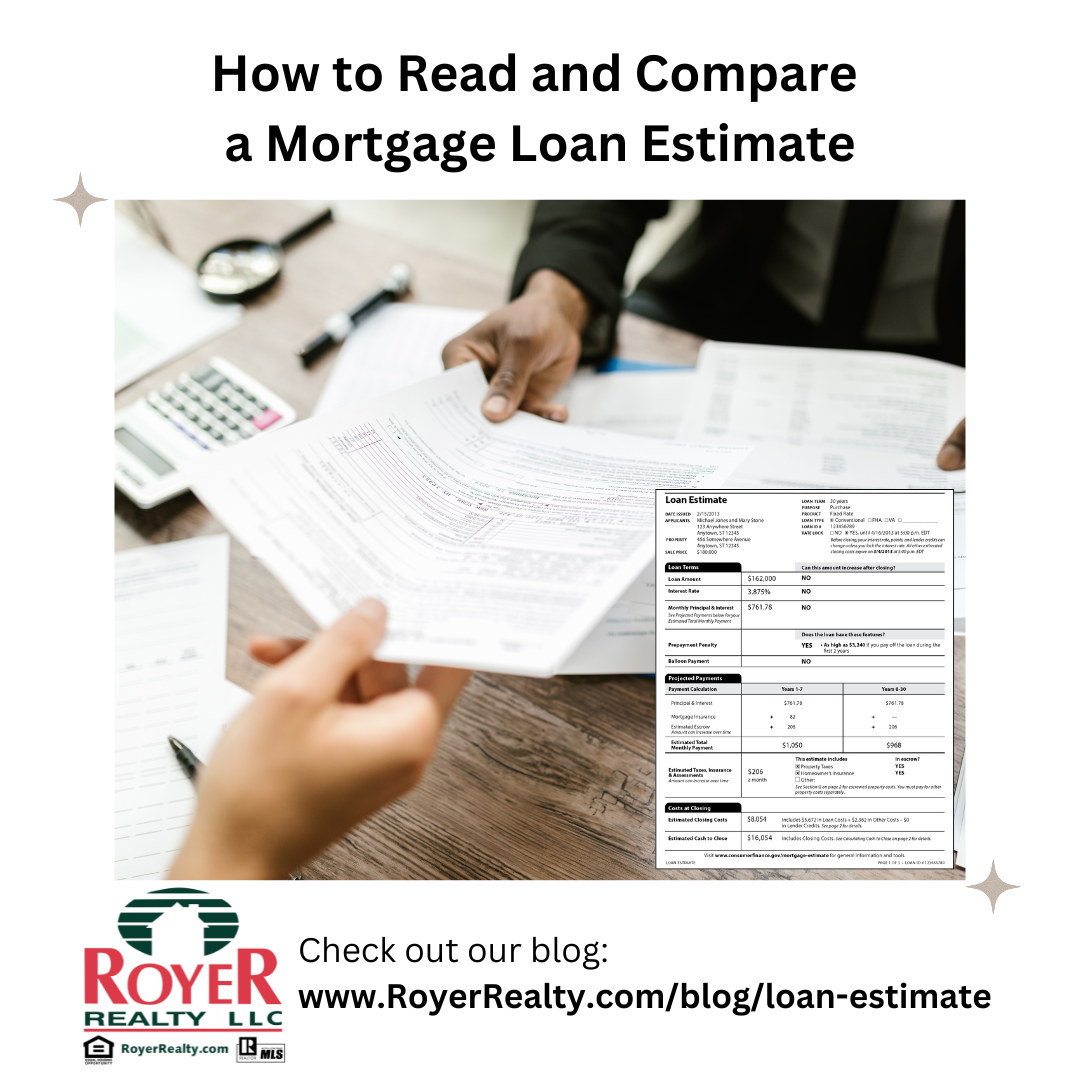
How to Read and Compare a Mortgage Loan Estimate
When you’re shopping for a mortgage, understanding the Loan Estimate (LE) is crucial. This important document provides all the details you need to assess your mortgage options, compare offers from different lenders, and ultimately choose the best loan for your needs. In this post, we’ll walk you through how to read and compare a Loan Estimate so you can make an informed decision.
What is a Loan Estimate?
A Loan Estimate is a standardized form that outlines the terms and costs associated with your mortgage. Lenders are required by law to provide this document within three business days of receiving your application. It contains essential information about your loan, including interest rates, monthly payments, closing costs, and other important fees.
Understanding the different sections of the Loan Estimate will help you compare loan offers effectively. Here’s what to look for:
Key Sections of a Loan Estimate
1. Loan Terms (Page 1)
At the top of Page 1, you’ll find the Loan Terms section, which includes:
- Loan Amount: The total amount you are borrowing.
- Interest Rate: The interest rate for your loan, which can be fixed or adjustable.
- Monthly Principal & Interest: This is the amount you'll pay each month for the loan’s principal and interest.
This section gives you a quick snapshot of the key details of your mortgage.
2. Projected Payments (Page 1)
This section breaks down your estimated monthly payments, including:
- Principal and Interest: What you’ll pay toward the loan balance each month.
- Mortgage Insurance: If applicable, this covers insurance costs if your down payment is below 20%.
- Taxes and Insurance: Includes estimates for property taxes, homeowner’s insurance, and other escrowed costs.
The Projected Payments section is crucial for understanding your total monthly commitment, not just your mortgage payment.
3. Costs at Closing (Page 2)
This section outlines your closing costs, which are the fees you’ll need to pay when you finalize your mortgage. It includes both lender fees and third-party costs (such as appraisals and title insurance). Pay close attention to the following breakdowns:
- Origination Charges: Fees the lender charges for processing your loan.
- Services You Cannot Shop For: These are fees for services that the lender arranges, such as an appraisal or credit report.
- Services You Can Shop For: These fees are for services you can choose, like title insurance or pest inspections.
The Costs at Closing section helps you understand the upfront costs of your loan, beyond the down payment.
4. Loan Costs (Page 2)
Here you’ll find a detailed breakdown of the fees and costs associated with your loan, including:
- Appraisal Fees: The cost for the lender to have the home appraised to determine its value.
- Credit Report Fees: The cost of obtaining your credit report from the credit bureaus.
- Underwriting Fees: Fees for processing the loan, including reviewing your application and verifying information.
While these fees can vary from lender to lender, comparing them can give you insight into which lender is offering a better deal.
5. Other Considerations (Page 3)
The final section of the Loan Estimate outlines important details about your loan, such as:
- Prepayment Penalties: Some loans may include penalties for paying off the loan early.
- Assumption: Whether or not someone else can take over the loan if you sell the property.
- Servicing: Whether the lender intends to service the loan themselves or sell it to another company.
Understanding these elements can help you avoid surprises down the road.
How to Compare Multiple Loan Estimates
When you receive Loan Estimates from different lenders, it’s important to compare them side by side. Here are some tips to help you make an informed comparison:
- Interest Rates vs. APR: Compare the interest rate and APR. The APR reflects the total cost of borrowing, including both the interest rate and other fees. This is an important tool in assessing the overall cost of a loan.
- Loan Type and Terms: Ensure the loan type aligns with your needs. Whether it’s a conventional loan, FHA, or VA loan, the terms can vary significantly.
- Closing Costs: Compare closing costs and ask whether certain fees can be negotiated or adjusted before closing.
- Lender Reputation and Service: Don’t forget to assess the lender’s reputation and customer service. A smooth, transparent process is just as important as the terms of the loan itself.
- Adjustable-Rate Loans: If considering an adjustable-rate mortgage (ARM), be sure to ask about adjustment periods and rate caps to avoid surprises.
By carefully reviewing the Loan Estimate, you can secure the right mortgage for your needs and avoid any surprises along the way. Always take your time to compare and ask questions, ensuring the loan you choose works best for your financial goals.
Ready to take the next step in your home-buying journey?
Understanding your mortgage loan estimate is crucial, and we're here to help you every step of the way. If you have any questions or need assistance comparing loan estimates, don't hesitate to reach out. Contact Royer Realty at 937-592-7653 or visit www.royerrealty.com today! Let us guide you through the mortgage process and help you find the perfect home.