Area Real Estate News & Market Trends

Welcome to the Royer Realty Blog – your go-to resource for local real estate news, market trends, and home values. Stay ahead of the curve with expert insights on the local housing market, plus tips and advice to help you make informed decisions. Whether you're buying, selling, or simply exploring the area, we’ve got you covered. Reach out to us today, and let’s start the conversation!

Nov. 7, 2025

Is the Home Insurable?

Is the Home Insurable? What Buyers and Sellers Need to Know


Is the Home Insurable? 

When buying or selling a home, most people focus on the inspection, financing, and price—but there's another crucial piece of the puzzle that often gets overlooked: is the home insurable?

Whether you're preparing to list or gearing up to purchase, the ability to secure homeowners insurance is a major factor that can either keep your deal on track or derail it entirely. Here's what you need to know.

What Can Make a Home Uninsurable—or More Expensive to Insure?

It might surprise you, but seemingly simple details can become stumbling blocks for insurance providers. Common red flags include:

  • Aging Roofs: Many insurers won’t write policies on shingle roofs over 15 years old, no matter the condition.

  • Outdated Electrical or Plumbing: These systems raise concerns about safety, making underwriters hesitant.

  • Vacant Homes: If the property is sitting empty during the sale, insurance may cost more—or be denied altogether.

Ownership Matters—Down to the Details

Ownership structure can also complicate the process. If the home is held in an estate, LLC, or trust, the insurance policy must be in the exact same name as the deed. Mismatches can delay closings or even void coverage if a claim arises.

Unique Features That Raise Insurance Questions

Swimming pools, guest houses, in-law suites, and even a history of insurance claims can all impact coverage eligibility and costs. These aren’t dealbreakers, but they should be addressed early in the process to prevent hiccups.

Don’t Forget About Flood Hazard Insurance

Flood risk is another important—and often overlooked—factor. Many buyers assume their standard homeowners insurance covers flooding, but that’s rarely the case.

If a home is located in a FEMA-designated flood zone, the buyer may be required to purchase a separate flood insurance policy. Even homes outside of high-risk zones can be affected by heavy rain, changing weather patterns, or nearby water sources.

Flood insurance can add significant cost to a mortgage payment and may even impact the buyer’s ability to qualify for financing. For sellers, it's wise to know your property's flood zone designation ahead of time and factor it into pricing and disclosure.

A quick check with your real estate agent or insurance provider can give you clarity before it becomes a surprise issue during underwriting.

Be Proactive, Not Reactive

Whether you’re on the buying or selling side—or managing both—doing a quick insurance check before listing or making an offer can help streamline the transaction. Proactively working with your agent and insurance provider ensures no detail slips through the cracks.


Need Help Navigating the Process?

At Royer Realty, we're here to make sure your real estate journey is smooth from listing to closing. From evaluating home insurability to connecting you with trusted professionals like Search2Close, we've got your back.

📞 Call us today at 937-592-7653 or visit www.royerrealty.com to get started.

Let’s keep your transaction on track—no surprises, just success.


Posted in Buyers, Resources, Sellers
Oct. 29, 2025

What to Expect at an Open House: A Guide for Sellers, Buyers, and REALTORS®


Real estate agent showing a home during an open house in Bellefontaine, Ohio

Open Houses: What to Expect as a Seller, Buyer, and REALTOR®

Open houses are a classic part of the real estate journey—and for good reason. They offer a powerful opportunity for sellers to showcase their homes, for buyers to get a true feel for a property, and for REALTORS® to connect and guide both parties. But each role comes with its own expectations and best practices. Whether you're preparing your home, stepping into your dream neighborhood, or hosting a walk-through, knowing what to expect can make all the difference.


For Sellers: How to Prepare for Success

As a seller, your goal is to make your home as appealing and welcoming as possible. Start with a deep clean—floors, windows, and even closets. Declutter and depersonalize so buyers can envision themselves living there. Consider adding fresh flowers or light scents (nothing overpowering), and don’t forget curb appeal! First impressions count, and a tidy yard or welcoming porch can set the tone before anyone steps inside.

Your REALTOR® will also help with staging tips and timing. Be ready to step out during the open house—potential buyers often feel more comfortable asking questions and exploring when the seller isn’t present.

✅ GENERAL PREPARATION

  • 🛏️ Make beds and tidy up each room
  • 🧼 Vacuum, dust, and mop floors
  • 🧽 Clear off countertops and declutter spaces
  • ☀️ Open curtains and blinds for natural light
  • 🗑️ Empty all trash cans

🔒 SAFETY & PRIVACY

  • 💍 Remove or secure valuables (jewelry, electronics, etc.)
  • 💊 Lock up or take medications with you
  • 📄 Store away mail, bills, and documents with personal info


For Buyers: Be Observant, Be Open-Minded

If you're house hunting, an open house is your chance to take your time and really look. Pay attention to layout, lighting, storage space, and the condition of the home. Don't be afraid to ask questions—but be respectful of the space and any other visitors. Bring a checklist or notebook to compare properties later.

Remember, an open house isn’t just about what you see—it’s about how you feel. Can you picture your life unfolding in this space? That gut feeling matters more than you think.


📝 Open House Etiquette for Buyers

  • Be on time – Arrive during the scheduled open house window.
  • Sign in – If asked, provide your name and contact info.
  • Be polite – Greet the agent, but don’t feel pressured to chat the whole time.
  • Remove shoes – If the home has a no-shoes policy or it’s wet outside.
  • Take your time – Walk through slowly and observe layout, condition, and features.
  • Ask questions – Inquire about the home, neighborhood, or updates.
  • Avoid criticism – Be respectful with your comments; others may be listening.
  • Don’t snoop – Check storage, but don’t go through personal items or furniture.
  • Be honest about interest – Let the agent know if you’d like to follow up.


For REALTORS®: Your Time to Shine

For real estate agents, open houses are more than just showing a property—they're about building trust, showcasing expertise, and creating an experience. From promoting the event to staging the home and greeting guests, REALTORS® are at the heart of a successful open house. It’s an opportunity to highlight the home’s best features, answer detailed questions, and gather feedback that can help sellers adjust if needed.

👩‍💼 What Buyers & Sellers Can Expect from Agents at an Open House

For Sellers:

  • Professional presentation of your home to guests
  • Set up signage and marketing materials to attract attention
  • Greet and guide visitors respectfully and informatively
  • Highlight key features and answer questions about the property
  • Gather feedback from buyers to share with you afterward
  • Protect the property by monitoring traffic and discouraging snooping

For Buyers:

  • Warm welcome and optional sign-in for follow-up
  • Knowledgeable answers about the home, neighborhood, and market
  • Printed materials (flyers, disclosures, or brochures)
  • Freedom to explore the home comfortably
  • No pressure sales approach, but open to answering questions
  • Offer guidance if you’re not working with your own agent yet


At Royer Realty, our experienced agents know how to make open houses work for everyone involved. We bring insight, preparation, and local expertise to every showing.


🤔 Is an Open House Worth It?

We get this question a lot—and it’s a fair one. While it’s true that the chances of your perfect buyer walking through the front door during an open house that day may be slim, that doesn’t mean the event isn’t worth the effort.

Open houses offer something more subtle—but equally powerful: exposure.

Sometimes a neighbor stops in just to take a peek, and later mentions the home to a friend or family member looking to buy. Or maybe a buyer who wasn’t actively searching that weekend stumbles upon the sign and falls in love with your kitchen. Even if no immediate offer comes in, the open house plants a seed—and those seeds can sprout later.

At Royer Realty, we like to say: an open house may not always bring you a buyer, but it often brings attention—and attention brings opportunity.

It’s also a great way to get real-time feedback from visitors. That insight can help you make small changes that lead to big results.

So yes, open houses are worth it—not always for immediate results, but for the momentum they build in your overall marketing strategy. Think of them as one of the many tools working behind the scenes to help get your home sold.


Ready to Buy or Sell in the Bellefontaine Area? Let’s Talk!

Whether you're getting your home ready to sell, looking to explore the market, or interested in expert guidance through your next open house, Royer Realty is here to help. Call us today at 937-592-7653 or visit www.royerrealty.com to connect with a local real estate professional who truly knows the community. Let’s open the door to your next chapter—together.


Posted in Buyers, Resources, Sellers
Oct. 21, 2025

Understanding FHA Flipping Rules: Key Guidelines and Exceptions for Homebuyers


An upside-down home representing FHA flipping rule timelines and buyer guidelines.

FHA Flipping Rules: Guidelines and Exceptions Every Buyer Should Know

If you're considering purchasing a recently renovated home with an FHA loan, understanding the FHA flipping rules is essential. These rules are designed to prevent mortgage fraud, inflated property values, and risky transactions—protecting both lenders and homebuyers.

What Is Property Flipping?

In real estate terms, "flipping" refers to buying a property and quickly reselling it, often after making improvements. While this can be a great way to revitalize neighborhoods and increase property values, it also comes with increased risks—especially for buyers using FHA financing.

The FHA 90-Day Rule

The Federal Housing Administration (FHA) enforces a key rule: a property cannot be sold within 90 days of its last sale if the buyer is using an FHA loan. This means if an investor purchases a home, fixes it up, and tries to sell it within that 90-day window, FHA will not approve the buyer’s mortgage.


FHA Flipping Guidelines for Sales Between 91 – 180 Days

After the 90-day mark, FHA allows sales to proceed—but with conditions. For properties sold between 91 and 180 days of the previous purchase, special guidelines apply:

  • Additional documentation may be required if the new sale price is more than 100% of the original purchase price.
  • The FHA lender may require a second appraisal to verify the increased value, especially if the price jump appears substantial or unsupported by market data.
  • The lender might also request documentation such as receipts, contractor invoices, or renovation records to justify the improvements and price increase.

These extra steps ensure that the value added to the home is legitimate and not artificially inflated. It's not a deal-breaker—but it can add time to the loan approval process. Buyers and sellers should plan accordingly and work with experienced professionals who know how to navigate these nuances.


Exceptions to the Rule

There are some exceptions where the FHA flipping restrictions may not apply:

  • HUD-owned properties: Homes sold by HUD are exempt from flipping rules.
  • Inherited properties: If the seller acquired the property through inheritance, the 90-day rule typically doesn’t apply.
  • Non-profit organizations: Properties sold by nonprofits approved by HUD are often exempt.
  • Government agencies: Sales by federal, state, or local government agencies may also be excluded.


Why It Matters for Buyers and Sellers

For sellers, knowing these timelines helps in marketing to the right buyers. For buyers, understanding these rules can prevent financing delays or denied loans. Real estate agents and investors should also be fully informed so they can guide clients through the process seamlessly.


Looking to Buy or Sell a Home with Confidence?

Whether you're purchasing your first home or flipping an investment property, understanding FHA rules is just one piece of the puzzle. At Royer Realty, our experienced agents are here to guide you through every step—from navigating FHA guidelines to closing the deal.

📞 Call us today at 937-592-7653 or visit www.royerrealty.com to connect with a local expert who understands the Bellefontaine and West Central Ohio market inside and out. Let’s make your real estate goals a reality!


Posted in Buyers, Resources, Sellers
Oct. 16, 2025

CAUV Tax Reduction in Ohio: What Landowners Need to Know


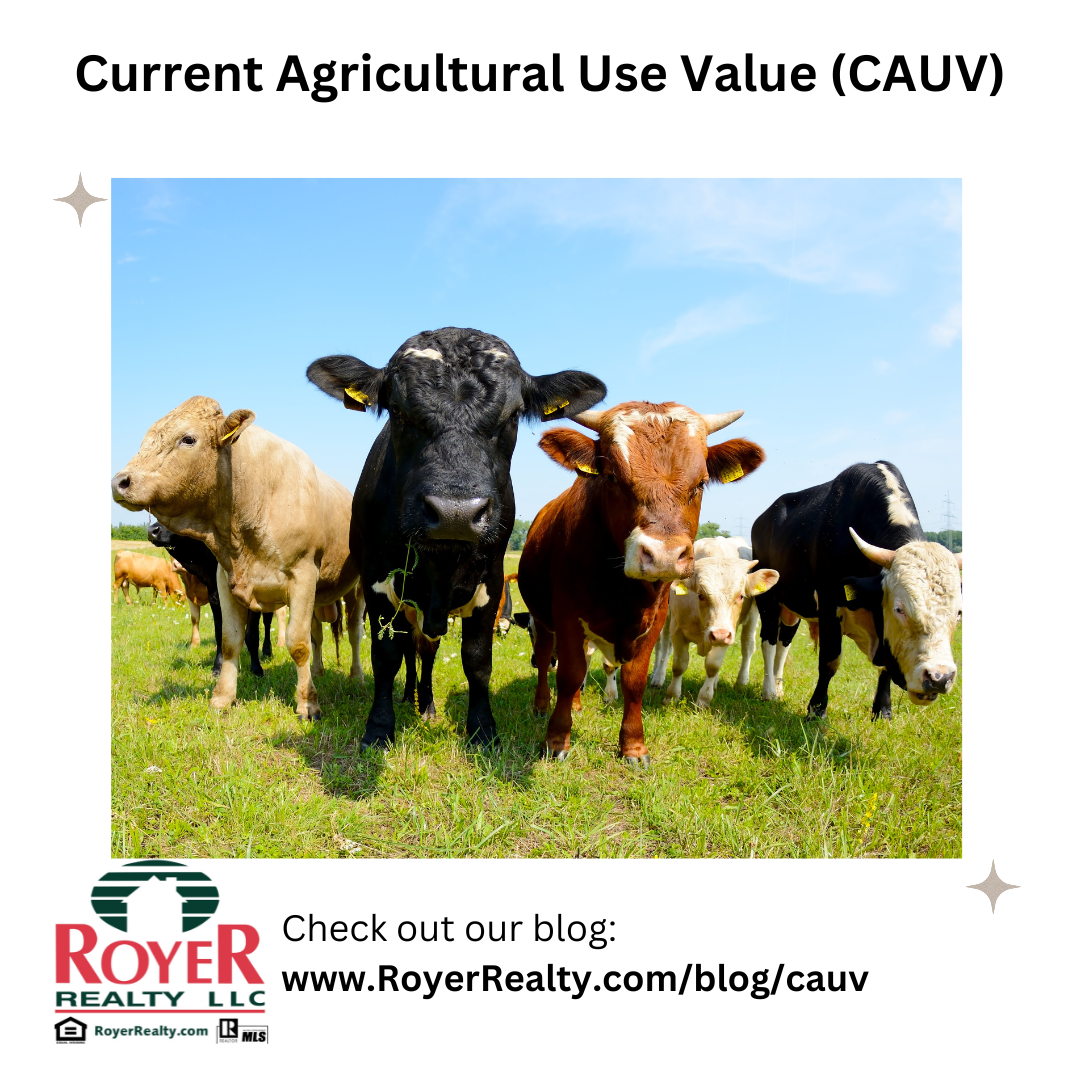
herd of cattle illustrating CAUV tax savings

CAUV Tax Reduction in Ohio: A Smart Strategy for Landowners

If you own farmland in Ohio, the Current Agricultural Use Value (CAUV) program could substantially lower your property taxes—often much lower. Established in 1973, the CAUV program is an Ohio property tax program that allows farmland to be taxed based on its agricultural value rather than its full market value. This results in significant tax savings for landowners who use their land primarily for agriculture.

(Visit the Ohio Department of Taxation's website for more details: https://tax.ohio.gov/government/real-state/cauv)


Who Qualifies for CAUV?

To be eligible, your land must meet one of two criteria in the three years before applying (logancountyohio.gov, co.logan.oh.us):

  1. At least 10 acres devoted exclusively to commercial agriculture, or

  2. Fewer than 10 acres, but with an average annual gross income of at least $2,500 from farming.

Commercial agriculture includes crops, livestock, timber, apiary, nursery stock, even conservation uses such as wetlands and buffer strips (logancountyohio.gov).


How to Apply and Maintain CAUV

  • Application window opens on the 1st Monday in January and closes prior to the 1st Monday in March—in Logan County this means submitting initial or renewal forms (plus the $25 initial fee) between those dates each year (logancountyohio.gov).

  • By the 2nd Tuesday in March, the auditor reviews applications and notifies, by certified mail, anyone who missed the deadline (logancountyohio.gov).

  • The 1st Monday in June is the cut-off for land inspections to confirm agricultural use (logancountyohio.gov).

  • Denial notices, if applicable, are mailed by the 1st Monday in August .

🌱 Make sure to mark your calendar—missing the first Monday in March deadline could mean losing CAUV status for the year and being taxed at full market value.


Recent Updates & Conservation Benefits

Recent revisions allow land in federal or private conservation programs to qualify for lower tax valuations—typically about a 90% reduction in assessed value (ofbf.org). Just ensure conservation practices stay in place for at least 36 months or recoupment may be applied.

Why CAUV Matters

By reducing agricultural land’s value to its fair-use level, CAUV supports farmers and sustainable land management—helping preserve farmland from development pressure. It’s a critical tool for landowners balancing stewardship and savings (ofbf.org, summitcountyfarmbureau.org). Even non-farmers leasing fields or managing timber/forestry may benefit.


What is CAUV Recoupment?

If land is removed from the CAUV program—typically because it is no longer used for agricultural purposes—then the owner must pay a recoupment penalty.

How Much Is the Recoupment?

The recoupment is:

  • The tax savings from the past 3 years due to the CAUV valuation
    multiplied by the difference between market value taxes and CAUV taxes.

So, the owner must repay the property tax savings from the prior three years.


When Does Recoupment Happen?

Recoupment occurs when:

  • The land no longer meets CAUV eligibility, such as being developed or left fallow.
  • The land is converted to non-agricultural use (e.g., housing, commercial development).
  • The owner fails to file the required CAUV renewal application.


Get CAUV Help & Grow Your Savings with Expert Guidance

Unlocking CAUV's benefits:

  • Assess eligibility and calculate potential tax savings

  • Navigate application timelines and renewal requirements

  • Understand recoupment risk and plan accordingly

  • Take full advantage of conservation land opportunities

📞 Ready to explore CAUV for your property? Call your County Auditor's Office. At Royer Realty, we can help you get in contact with the Auditor. Let’s maximize your agricultural land value and savings today!

Logan County Ohio CAUV Link:

https://www.logancountyohio.gov/cauv.html


Posted in Buyers, Resources, Sellers
Oct. 7, 2025

Understanding Crop Rights in a Real Estate Deal: What Buyers and Sellers Need to Know

farmland with crops for blog header image crop-rights

Understanding Crop Rights in a Real Estate Deal

What Buyers and Sellers Need to Know

When it comes to farmland sales in Ohio, one of the most misunderstood aspects is crop rights. Whether you’re a seasoned farmer or a first-time rural property buyer, it's important to know exactly who owns the crops in the ground at the time of a sale—and what that means for the closing process.


What Are Crop Rights?

In simple terms, crop rights determine who gets to harvest and profit from the crops already planted on a property, regardless of who owns the land. Just because you purchase the soil doesn’t necessarily mean you get what’s growing in it!

This becomes especially important if:

  • A farmer planted crops earlier in the year before the sale

  • A tenant farmer has a lease with crop rights

  • The seller wants to retain the harvest after closing


Why It Matters in a Real Estate Deal

Ignoring crop rights can lead to confusion, legal disputes, or unexpected costs. For example:

  • Sellers might assume they can finish harvesting what they planted, but forget to put it in writing.

  • Buyers might expect to inherit the crops and the profit that comes with them—but legally, they might not have any claim.


How to Handle Crop Rights Smoothly

To keep the deal friendly and professional:

  • Address crop rights early in negotiations.

  • Include a crop rights clause in the purchase contract.

  • Clarify possession dates and access rights so everyone’s on the same page.

  • Work with an experienced real estate professional who understands the agricultural market.


Why Work With Royer Realty?

At Royer Realty, we’ve guided hundreds of clients through the ins and outs of farm and rural property sales across west-central Ohio. Our agents understand the unique challenges of agricultural transactions—including CAUV, leases, zoning, and yes, crop rights. We’ll help you avoid surprises and keep your deal on track.


📞 Ready to Buy or Sell Farmland?

If you're buying or selling farmland in Logan County or surrounding areas, don’t leave crop rights to chance. Call Royer Realty at 937-592-7653 or visit www.royerrealty.com to speak with an experienced local agent. We’re here to make your rural real estate experience simple, successful, and profitable.


Posted in Buyers, Resources, Sellers
Oct. 3, 2025

How to Make a Strong Offer with a Home-Sale Contingency


Couple in their home presenting an offer while packed moving boxes sit in the background, symbolizing a home-sale contingency


Making an Offer as a Home-Sale Contingency Buyer: What You Need to Know

Buying your next home while selling your current one can be a balancing act—but with the right strategy, it’s absolutely possible to make a competitive offer. At Royer Realty, we often work with clients navigating this process, and a helpful tool in your homebuying toolbox is a home-sale contingency.

A home-sale contingency allows you to make an offer on a new property while still finalizing the sale of your existing home. But to ensure your offer stands out and gets accepted, there are some key strategies and expectations you—and your agent—should understand.

What Makes a Strong Contingent Offer?

If you’re buying with a home-sale contingency, sellers will want to see that your current home is:

  • Already under contract with a buyer
  • Or, at minimum, actively listed on the market

The more concrete your home’s sale status, the more confidence the seller will have in your ability to close.

In some cases, sellers may accept your offer with a condition: your home must be listed within a certain number of days—typically 3 to 7 days from acceptance. This keeps the timeline moving and demonstrates your seriousness.


Understanding the “Bump Clause” or First Right of Refusal

To protect their interests while still moving forward with a contingent buyer, many sellers include a “Bump Clause” or First Right of Refusal in the contract. This clause allows the seller to continue marketing their home and accept other offers, even while under contract with a buyer who has a home-sale contingency. If another qualified buyer submits an offer, the seller must give the original buyer a specified amount of time—typically 24 to 72 hours—to either remove their home-sale contingency (demonstrating they can proceed with the purchase regardless of whether their home sells) or step aside and allow the seller to move forward with the new buyer.

The details of this process are outlined in what's often called a Contingent Sales Addendum, which can be written with prior notice or without notice to the first buyer. A "with notice" clause gives the first buyer a final opportunity to waive the contingency and proceed. A "without notice" clause, often referred to as “sudden death,” allows the seller to cancel the contract unilaterally in favor of the new offer. In either case, if the original buyer can’t or chooses not to proceed, their contract is typically terminated, and any earnest money is refunded.

However, all is not lost if you’re the original buyer who has been “bumped.” You may request to remain in a backup position, meaning your contract would become primary again if the new buyer’s deal falls through. While not guaranteed, this can be a strategic move—especially in a competitive market where other properties may not meet your needs as well as the one you’re trying to secure.


Key Timelines to Discuss with Your Agent

Your real estate agent should guide you through outlining a realistic but competitive offer timeline. That includes:

  • Inspection deadlines: Usually within 7–10 days of acceptance
    • In some cases, the inspection period may begin once the buyer’s current home is under contract, rather than immediately upon acceptance of the purchase offer.

  • Expected closing date: Often 30–45 days, but can depend on your current home’s sale progress it could take 60+ days.

  • Estimated time to sell your home: Varies by market, but your agent should provide a comparative market analysis (CMA) to support your plan

Setting Expectations

Buyers using a home-sale contingency must be proactive and transparent. Strong communication between agents (buyer’s and seller’s) builds trust and improves the odds of acceptance. Be ready to show:

  • Proof your home is listed or under contract
  • Pre-approval for financing, if applicable
  • Flexibility with timelines, when possible


Final Thoughts: Leverage the Power of Professional Guidance

A home-sale contingency doesn’t have to be a deal-breaker—especially when your offer is well-structured and backed by expert advice. At Royer Realty, we know how to position contingent buyers for success. Our team will help you present a compelling offer, manage deadlines, and move smoothly from "for sale" to "sold" and settled in your new home.

📞 Have questions or ready to start your home search? Give Royer Realty a call at 937-592-7653 or visit us online at www.royerrealty.com to get started today. Let’s make your next move your best one yet.


Posted in Buyers, Resources, Sellers
Sept. 29, 2025

Understanding the Home Inspection Period in Your Real Estate Contract


Understanding the Home Inspection Period in Your Ohio Real Estate Contract

When buying a home in Ohio, one of the most critical windows of time is the inspection period. This short but vital phase — typically 10 days from the Date of Acceptance, unless stated otherwise — allows the buyer to thoroughly inspect the property and identify any issues that could impact the purchase.

Let’s walk through what it includes, how to handle material defects, and how to negotiate repairs or financial solutions with the seller.


What Is the Inspection Period?

The Inspection Period begins once your offer is accepted and runs for the duration noted in your contract. During this time, you — the buyer — have the right to hire licensed and qualified inspectors to assess the property's condition. You may opt for a general home inspection and/or specialized tests, such as radon testing, sewer scope inspections, mold analysis, or foundation evaluations.

If an inspection is not completed within the Inspection Period, the right to raise concerns or request remedies is automatically waived — meaning you’ve accepted the property as-is.


The Remedy Period

If a remedy request is made, the buyer and seller then have a few days (typically 3, unless otherwise specified) to reach a written agreement on how to handle the defect(s). If they can't agree, the buyer may:

  • Withdraw the remedy request and accept the property as-is
  • Let the contract terminate automatically at the end of the remedy period

Again, timely and clear communication is key during this time.


Additional Responsibilities and Considerations

  • Buyer's Cost: All inspection and testing costs are the buyer’s responsibility.
  • Damage Repairs: If inspections cause any damage to the property, the buyer must ensure repairs are made properly and at their own expense.


What Qualifies as a Material Defect?

The purpose of these inspections is to discover material defects — not cosmetic flaws or minor inconveniences. According to the contract, material defects are those that affect the health, safety, habitability, use, or value of the property. These are the types of issues that give a buyer the right to request remedies or terminate the contract.

Examples of Material Defects:

  • Roof damage that causes active leaks or shows signs of structural compromise
  • Foundation cracks or shifting that threatens the integrity of the home
  • Electrical hazards, such as outdated wiring or panels that pose fire risks
  • Plumbing problems like major leaks, sewage issues, or lead piping
  • Mold, asbestos, or radon presence above acceptable levels
  • HVAC system failure — if the heating or cooling systems are non-functional
  • Pest infestations, including termites or rodents causing structural damage


What Doesn’t Qualify as a Material Defect?

On the flip side, cosmetic issues and routine maintenance items are not grounds for termination. These include:

  • Peeling paint or outdated wallpaper
  • Minor drywall cracks or nail pops
  • Worn carpet or scuffed flooring
  • Loose cabinet hinges or door handles
  • Dirty windows or cosmetic landscaping issues

These types of issues may still be negotiable, but they don’t rise to the level of material defects and cannot be used to void the contract under this clause.


How to Negotiate Repairs with the Seller

If your inspection uncovers a material defect, the next step is negotiation — and there’s more than one way to reach a win-win solution.

Here are common ways buyers can negotiate during the Inspection Period for Remedy:

1. Request Specific Repairs

You can ask the seller to make specific, professional repairs prior to closing. This is helpful when safety issues or high-cost items are involved. Make sure your request:

  • Lists the repairs clearly
  • References the inspection findings
  • Requires work to be done by licensed contractors

2. Ask for a Purchase Price Reduction

If you'd prefer to handle the repairs yourself, a purchase price adjustment may be more practical. This gives you financial flexibility and control over the quality and timing of the work.

3. Request Seller to Cover Closing Costs

Rather than completing repairs, the seller may agree to pay part of your closing costs. This reduces your out-of-pocket expenses and gives you cash to handle post-closing improvements.

4. Negotiate a Repair Allowance (If Lender Allows)

Some buyers and sellers agree on a repair credit or allowance, which is applied at closing. This option is subject to lender approval, so it’s not always guaranteed.

5. Ask for a Home Warranty

If an inspection shows aging systems that still function but may fail in the near future, consider asking the seller to provide a one-year home warranty. This can offer peace of mind and coverage for things like HVAC, plumbing, and appliances after you move in.

6. Accept the Home As-Is

In some cases, especially if the issues are minor or within your comfort zone, you may choose to accept the home in its current condition and proceed with the purchase. This is a perfectly valid choice and can help you move forward quickly and confidently into the next phase of your home-buying journey.


What Happens If You Don’t Act?

If the buyer does not submit a written request to remedy or terminate by the end of the Inspection Period — along with the appropriate supporting documents — the buyer is considered to have accepted the condition of the property as-is. From that point on, you waive the right to cancel based on inspection results.

If a remedy request is submitted, the buyer and seller have a set number of days (typically 3, unless stated otherwise) to come to a written agreement. If no agreement is reached and the buyer does not withdraw the request in writing, the contract will terminate automatically.


Royer Realty Tip: Start Planning for Inspections Early

Don’t wait until the last minute. Line up your inspector(s) as soon as your offer is accepted, and communicate closely with your agent to make sure you stay within the timelines outlined in your contract.


Ready to Navigate Your Home Purchase Like a Pro?

The inspection period isn’t just a formality — it’s your opportunity to ensure your future home is safe, sound, and worth your investment. Whether you’re buying your first home or your fifth, our experienced agents at Royer Realty are here to help you through every step of the process — from inspections to negotiations and beyond.

📞 Call us today at 937-592-7653 or visit www.royerrealty.com to connect with a local expert.
Let’s make your homeownership goals a reality — with confidence and clarity.

Royer Realty — Local Knowledge. Proven Results.



Posted in Buyers, Sellers
Sept. 9, 2025

Floodplain Zones Explained: What Homeowners Need to Know About Flood Insurance

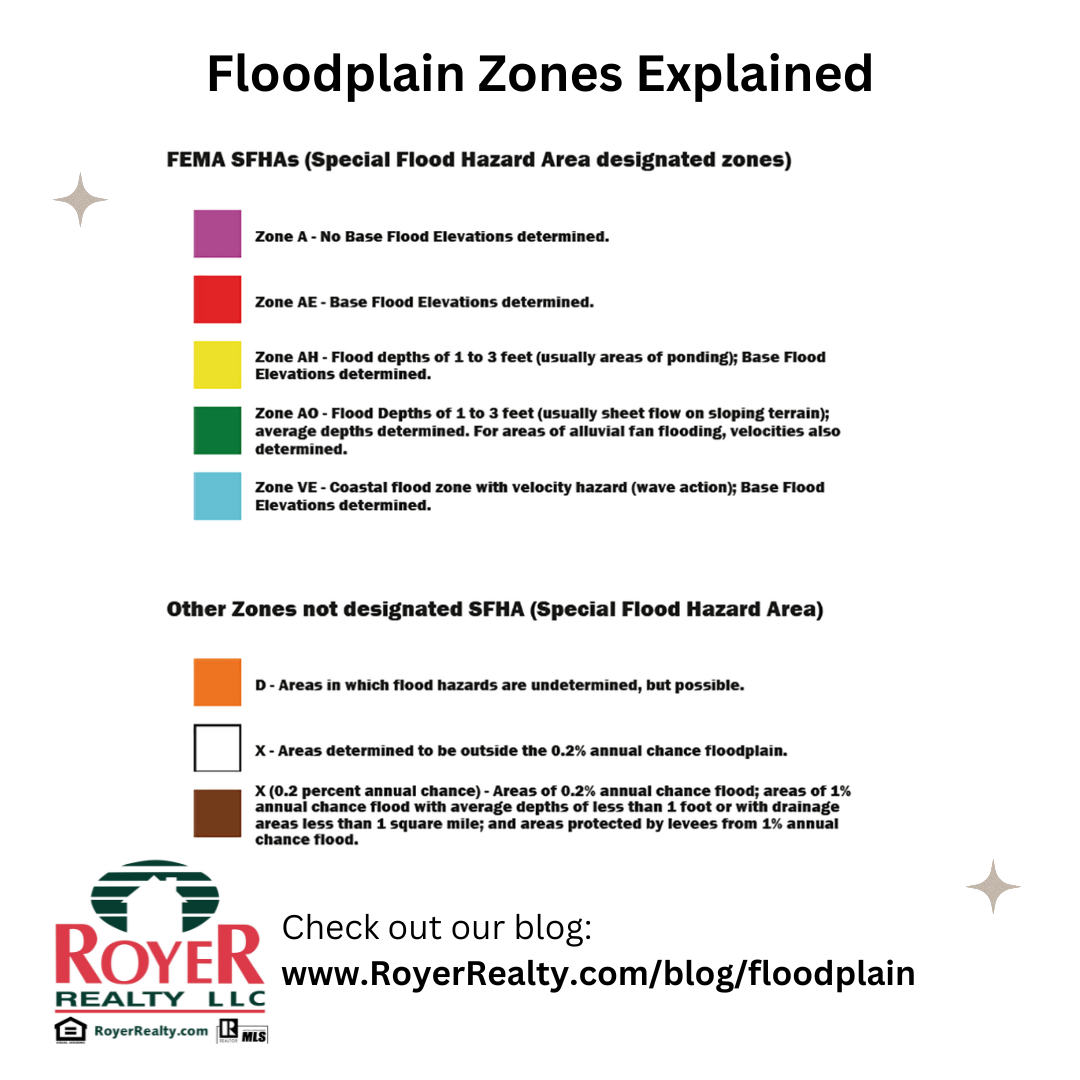
Color-coded FEMA floodplain map highlighting different flood zones.

Floodplain Zones Explained: What Homeowners Need to Know About Flood Insurance

Flooding is one of the most common natural disasters in the U.S., and knowing your home's flood risk is a crucial part of protecting your property. But with so many different flood zone designations, it can be tough to know where you stand — and whether you’re legally required to carry flood insurance.

Here’s a simple breakdown of floodplain zones, how they affect your insurance requirements, and how to find out if a property is in a flood zone.


🔹 What Are Floodplain Zones?

FEMA categorizes land into various flood zones based on the likelihood of flooding:

  • Zone AE or A – High-risk areas (100-year floodplain). These have a 1% chance of flooding annually.
    🔸 Flood insurance is typically required by law if you have a federally backed mortgage.

  • Zone X (Shaded) – Moderate risk (500-year floodplain). These areas have a 0.2% chance of flooding annually.
    🔸 Flood insurance is not required by law, but it’s still recommended.

  • Zone X (Unshaded) – Minimal risk areas.
    🔸 Flood insurance is optional.


🔹 When Is Flood Insurance Required?

Flood insurance is required by law if:

  • Your property is located in a high-risk flood zone (Zone A or AE), and

  • You have a mortgage from a federally regulated or insured lender.

If you're in a moderate or low-risk zone, flood insurance is not mandatory, but still strongly encouraged — especially with unpredictable weather and shifting flood patterns.


🔹 How to Find Out If a Home Is in a Floodplain

You can easily check a property's flood zone with:

  • FEMA Flood Maps at msc.fema.gov
  • Asking your REALTOR® to review current maps and disclosures

  • Contacting your lender, who can verify what insurance is required

Pro tip: FEMA flood maps are updated over time, so even if a home wasn’t previously in a flood zone, it may be now.


🔹 Ask the Experts — We’re Here to Help

Buying or owning a home in a floodplain doesn’t have to be complicated. At Royer Realty, we help clients across Logan County and beyond understand their flood risk, insurance options, and what to ask their lender.

Whether you’re buying, selling, or just need guidance, we’re here to help you navigate every step with confidence.

📞 Call us today at 937-592-7653
🌐 Or visit www.royerrealty.com

Let’s make sure you’re fully informed — and fully protected.


Posted in Buyers, Resources, Sellers
Sept. 3, 2025

Unlock the Power of Real Estate Renovation Loans | Royer Realty


renovation loan blog header image


Real Estate Renovation Loans: Your Key to Unlocking Hidden Property Potential

Have you ever walked into a home and thought, “This place has so much potential—if only it had a little TLC?” That’s where real estate renovation loans come in. Whether you're a first-time homebuyer eager to transform a fixer-upper into your dream home, or an investor looking to add value and increase ROI, renovation loans could be the financial tool you need.

What is a Renovation Loan?

A renovation loan, often referred to as a rehab loan, combines the cost of purchasing a property with the cost of renovating it—all in one mortgage. This type of financing allows buyers to roll repair or improvement costs into their home loan rather than having to pay out of pocket or apply for separate financing later.

Common types of renovation loans include:

  • FHA 203(k) Loans – Ideal for homes that need structural repairs or modernization

  • Fannie Mae HomeStyle® Loans – Suitable for a wide range of upgrades and cosmetic improvements

  • VA Renovation Loans – Available for eligible veterans and service members

Benefits of Renovation Loans

  • Affordability: Often, a fixer-upper has a lower purchase price, giving you more financial flexibility.

  • Customization: Make the home your own from day one with renovations that fit your lifestyle.

  • Increased Value: Renovations can significantly boost a property’s market value and future resale potential.

  • Streamlined Financing: One loan, one closing—covering both purchase and renovation.

Who Should Consider One?

  • Buyers who want to live where move-in-ready homes are out of budget

  • Investors flipping homes or building rental property portfolios

  • Current homeowners refinancing and improving their property at the same time

Renovation loans can be a fantastic way to finance both the purchase and improvement of a property, but they do come with specific terms and requirements that borrowers should understand upfront. Here's a breakdown of the typical interest rates, down payment requirements, closing costs, appraisal fees, loan timelines, and other common terms associated with renovation loans:


🏦 Typical Terms for Renovation Loans

1. Interest Rates

  • Slightly higher than standard mortgages: Because of the added risk and complexity, renovation loans usually carry interest rates about 0.25%–1% higher than traditional purchase loans.

  • Rates may vary depending on credit score, loan type (FHA, conventional, VA), and the lender’s risk assessment.

2. Down Payment Requirements

  • FHA 203(k) Loans:

    • Minimum 3.5% down for qualified borrowers (based on the total cost of purchase + renovation).

  • Fannie Mae HomeStyle® Loans:

    • Typically requires 5% down for owner-occupied homes.

    • Investment properties may require 15–20% down.

  • VA Renovation Loans:

    • Often 0% down for eligible veterans, just like standard VA loans.

3. Closing Costs

  • Expect to pay 2–6% of the total loan amount in closing costs.

  • This can include lender fees, title insurance, escrow fees, and origination charges.

  • Additional fees may apply for managing renovation disbursements (i.e., draw inspections).

4. Appraisal Fees

  • Renovation loans require a “subject-to” appraisal, which estimates the property’s value after renovations are completed.

  • This type of appraisal typically costs $500–$700, possibly more depending on the scope of work and location.

5. Time to Close

  • Renovation loans take longer to close than traditional mortgages due to extra steps, such as:

    • Contractor bid approvals

    • Appraisal and re-appraisal (if necessary)

    • Detailed underwriting and repair analysis

  • Typical closing time: 45–60 days, though complex renovations can stretch that further.

6. Loan Amount Limits

  • FHA 203(k) follows FHA loan limits by county.

  • HomeStyle follows conventional conforming loan limits, which are higher in many areas.

  • Your renovation budget must typically stay within 75–100% of the after-improved value of the home, depending on the lender and loan type.

7. Renovation Timeline

  • Borrowers are typically required to start renovations within 30 days of closing and complete them within 6 months to 1 year, depending on the loan program.


🧰 Extra Notes

  • Funds are held in escrow: The lender manages a renovation escrow account and releases funds in stages as work is completed and inspected.

  • Licensed contractors required: Most renovation loans require detailed contractor bids and prohibit DIY work.

  • Contingency reserves: Lenders may require you to set aside 10–20% extra for unexpected costs.


Let Royer Realty Be Your Guide

Navigating renovation loans can seem overwhelming—but that’s where we come in. At Royer Realty, we specialize in helping clients find hidden gems and guiding them to local lenders for the financing options that make those homes shine. If you already have a lender, please ask them about their renovation loan options!

Whether you're buying your first home, upgrading, or investing, our expert team is here to connect you with trusted lenders, experienced contractors, and unbeatable market insights throughout Logan County and surrounding areas.


Ready to Build Your Dream Home—or Turn a Profit?

Don't let the "fixer-upper" label scare you away from a great opportunity. With the right renovation loan and the trusted guidance of Royer Realty, that worn-down property could be your greatest investment yet.

📞 Call us today at 937-592-7653 or explore listings and more at www.royerrealty.com. Let’s turn your vision into reality—one renovation at a time.


Posted in Buyers, Resources, Sellers
Aug. 29, 2025

Understanding Dower Rights in Ohio Real Estate Transactions

blog header image


Understanding Dower Rights in Ohio Real Estate Transactions

When it comes to buying or selling property in Ohio, understanding dower rights is key—especially for married couples. While many people have never heard of this legal term, it can play a major role in your real estate transaction.

What Are Dower Rights?

In Ohio, dower rights refer to a legal interest a spouse has in real property owned solely by the other spouse. Essentially, if one spouse owns a property in their name only, the other spouse still has a legal claim to that property—even if they’re not on the deed.

This law dates back to times when one spouse (traditionally the wife) needed legal protections in the event of death or divorce. While Ohio is one of the few states that still recognize dower rights, it’s a topic that comes up frequently in real estate transactions, especially during closings.

How Dower Rights Affect Real Estate Transactions

If you’re selling property in Ohio and you’re married—even if your spouse isn’t listed on the title—you’ll still need their signature on closing documents. That’s because their dower rights give them a legal interest in the property.

Failing to get the spouse’s signature can delay or even derail the sale. Title companies will often flag this issue, and real estate professionals, like those at Royer Realty, will make sure it’s addressed early in the process to avoid surprises.

Why This Matters for Buyers and Sellers

Whether you’re a buyer or a seller, it’s important to be aware of dower rights:

  • Sellers: Make sure both spouses are prepared to sign off on the sale, even if the property is in one name.
  • Buyers: Ensure the title is free and clear, including any potential dower claims, before closing.

How Royer Realty Can Help

At Royer Realty, we guide our clients through every step of the transaction. Our experienced team understands the nuances of Ohio real estate and works closely with local title companies to ensure your sale or purchase goes smoothly.


Call to Action:

Have questions about dower rights or other aspects of Ohio real estate? Let our local experts guide you through it with confidence and clarity. Call Royer Realty today at 937-592-7653 or visit www.royerrealty.com to connect with one of our trusted real estate professionals. Whether you're buying, selling, or just exploring your options, we're here to help you move forward—confidently.


Posted in Buyers, Resources, Sellers