Area Real Estate News & Market Trends

Welcome to the Royer Realty Blog – your go-to resource for local real estate news, market trends, and home values. Stay ahead of the curve with expert insights on the local housing market, plus tips and advice to help you make informed decisions. Whether you're buying, selling, or simply exploring the area, we’ve got you covered. Reach out to us today, and let’s start the conversation!

June 16, 2025

Selling Real Estate in Estate or Probate

blog header image Selling Real Estate in an Estate or Probate Court

A Guide for Executors and Heirs

Selling a loved one's home after their passing is never an easy task, especially when the property is tied up in estate or probate court. If you're faced with this responsibility, you're likely dealing with grief while also trying to manage the legal and financial steps involved. Understanding the process can make a difficult situation a bit more manageable, and we're here to help guide you through it.

The Probate Process and Court Approval

Probate is the legal process by which a deceased person's estate is administered and distributed. If the home is part of the estate, you’ll typically need to go through probate court before the property can be sold. During this process, the court ensures that the deceased’s debts are settled and that the remaining assets (like the home) are properly distributed according to the will or state law.

Key Points in the Probate Process:

  1. Court Approval for Sale: In many cases, the sale of real estate must be approved by the probate court. This is especially true if the home is part of the assets being distributed by the estate. Court approval ensures that the sale is fair, transparent, and in the best interest of the heirs and beneficiaries.
    • As part of the probate process, there is a required public notice period. The public notice period for a probate sale typically varies by jurisdiction, but in Ohio, the notice is generally required to be published for at least three consecutive weeks (or as determined by court) in a local newspaper. This allows sufficient time for any heirs or interested parties to come forward if they have a legal claim to the property. After this period, the court can proceed with approving the sale, as long as no objections are raised. However, it’s always a good idea to consult with a probate attorney to ensure compliance with local laws and any specific court requirements.

  2. Selling the Property: Once the court approves the sale, you can list the home for sale. This process may involve working with an experienced real estate agent familiar with probate sales, as there can be unique challenges, including stricter timelines and specific documentation requirements.

  3. Know the Authorized Signer: It’s crucial to know who is authorized to sign documents related to the sale of the property. This may be the executor of the estate, a personal representative, or someone holding a real estate power of attorney. If you’re not sure who has the legal right to handle the sale, consult with the probate court or an attorney handling the estate.

Planning for a Real Estate Power of Attorney

A real estate power of attorney (POA) is a legal document that grants someone the authority to handle specific matters related to the sale of property on behalf of the person who is unable to do so. In cases where the property owner is near death or incapacitated, having a POA in place can simplify the process of selling their home.

Key Considerations for Real Estate POA:

  • The POA must be legally valid, typically signed in front of a notary and possibly witnessed.

  • It should specify the authority granted, particularly in regard to the sale of real estate.

  • The POA can help streamline the sale process if the property owner is unable to manage their affairs, but it's important that it’s done while they are still mentally competent.

Understanding the Legalities and Working with Professionals

Selling a home that is part of an estate or probate court process involves navigating legal intricacies, from court approval to ensuring that all paperwork is correctly filed. You’ll need to work with the probate court, an attorney, and a real estate agent who is familiar with the ins and outs of estate sales. It's also important to be mindful of any tax implications and debts that may need to be settled before the home can be sold.


Grieving and Moving Forward

While selling a home under these circumstances can be emotionally taxing, having the right resources and knowledge can ease the burden. Working with professionals who understand the process is essential for ensuring that the sale goes smoothly and in accordance with the law.


If you're ready to take the next step in selling your loved one's property, we're here to help guide you through the process. At Royer Realty, we specialize in helping families navigate the complexities of selling real estate in an estate or probate situation. Let us provide the support and expertise you need during this challenging time. Call us at 937-592-7653 or visit www.royerrealty.com to get started. We’re here to make this process as smooth and stress-free as possible for you.

 

Posted in Resources, Sellers
June 10, 2025

The Post-Inspection Process Explained

blog header image post-inspection process explained


When you’re in the process of buying a home, one of the most important steps is the home inspection. This gives you a thorough overview of the property’s condition and can help you understand its true value, beyond just the aesthetic appeal.

What Happens During a Home Inspection?

A home inspector will assess the property’s condition, including the foundation, roof, plumbing, electrical systems, heating and cooling, and more. They’ll be looking for both visible and hidden issues that could affect the home's value, safety, or livability. (a visual-only inspection, which is not invasive or technically exhaustive)

What to Focus on for Negotiations

Once the inspection is complete, you'll receive a report that outlines the condition of the home. It’s important to remember that the goal of your home inspection isn't to request repairs just because something doesn’t match your personal taste (like flooring color). Instead, you should focus on the four key categories when deciding what you can ask the seller to repair:

  1. Major Defects: These are significant issues that could compromise the structure or safety of the home. Think of things like a cracked foundation, a leaking roof, or faulty wiring. These problems can be costly to fix, and you’ll want to discuss these items for post-inspection negotiations with your REALTOR®.

  2. Things That Lead to Major Defects: Sometimes, smaller issues can indicate a future major problem, like poor drainage that could eventually damage the foundation, or outdated plumbing that could fail over time. Addressing these issues early can save you from bigger problems down the road.

  3. Things That Hinder Your Ability to Occupy, Finance, or Insure the Home: If the home has issues that make it difficult or even impossible to move into (like an unsafe electrical system) or challenges that could prevent you from getting financing or insurance, these should definitely be addressed. Lenders and insurance companies often have strict requirements when it comes to the condition of the property.

  4. Safety Hazards: Any issue that poses an immediate threat to the safety of the occupants—such as exposed wires, mold, or faulty gas lines—should be a priority. These are things you’ll want the seller to take care of before you move forward, and you’ll want to discuss these items for post-inspection negotiations with your REALTOR®.


What Happens After the Inspection?

Once you have the inspection report, you can either proceed as is, terminate the sale, negotiate repairs, ask for credits towards repairs, or even request a price reduction, depending on what you find. The goal is to ensure that the home is in a good, safe condition before you finalize your purchase.

By focusing on these key areas, you can protect yourself and ensure that you’re investing in a home that’s safe, livable, and financially sound. If you have any questions about the inspection report or how to approach negotiations, feel free to reach out! Royer Realty's agents are here to help guide you through the process!


Ready to make an informed decision about your next home?
Contact Royer Realty today at 937-592-7653 or visit www.royerrealty.com to learn more about the home inspection process and how we can help guide you every step of the way. Let us ensure you're making the best investment for your future!


Posted in Buyers, Resources, Sellers
June 4, 2025

A Guide to New Construction

  blog header image Building Your Dream Home:  A Guide to New Construction


Are you considering buying a new construction home in Logan County, Ohio? With its growing communities and beautiful landscapes, Logan County is an attractive destination for homebuyers. From local developments like Ludlow Ridge and Maris Park to private builders, there are many options. How do you navigate the process and find the perfect property?


At Royer Realty, we're passionate about helping our clients find their dream home. Our team of experienced agents has extensive knowledge of the local market and can guide you through the process of buying a new construction home. From finding the perfect property to navigating the construction process, we're here to support you every step of the way.


Ask your REALTOR® for information on locating the local builders and developments. One of the best ways to start your research is to visit new-home developments and learn about the floor plans and offerings of each builder. Take a tour of the model homes, ask questions, and get a feel for the community. You'll also want to explore the available land to build from scratch, whether it's a vacant lot in a development or a rural property with plenty of acreage. In areas where lots are tight, consider infill development opportunities that could allow you to tear down an existing property and rebuild.  


To get a deeper understanding of the local new construction market, visit Parade of Homes events. These events showcase newly built or remodeled homes and provide a unique opportunity to see the latest designs, features, and technologies. You'll also have the chance to meet with builders, ask questions, and learn about their construction processes and warranties.


Whether you're a first-time buyer or a seasoned homeowner, buying a new construction home in Logan County, Ohio can be an exciting and rewarding experience. With its strong economy, excellent schools, and beautiful landscapes, Logan County is an ideal place to call home.


Ready to start your search for a new construction home in Logan County, Ohio? Contact Royer Realty today at 937-592-7653 or visit our website at www.royerrealty.com to speak with one of our experienced agents. We'll help you navigate the local market, find the perfect property, and build your dream home. Let us guide you through the process and make your homeownership dreams a reality!


Posted in Buyers, Resources
May 29, 2025

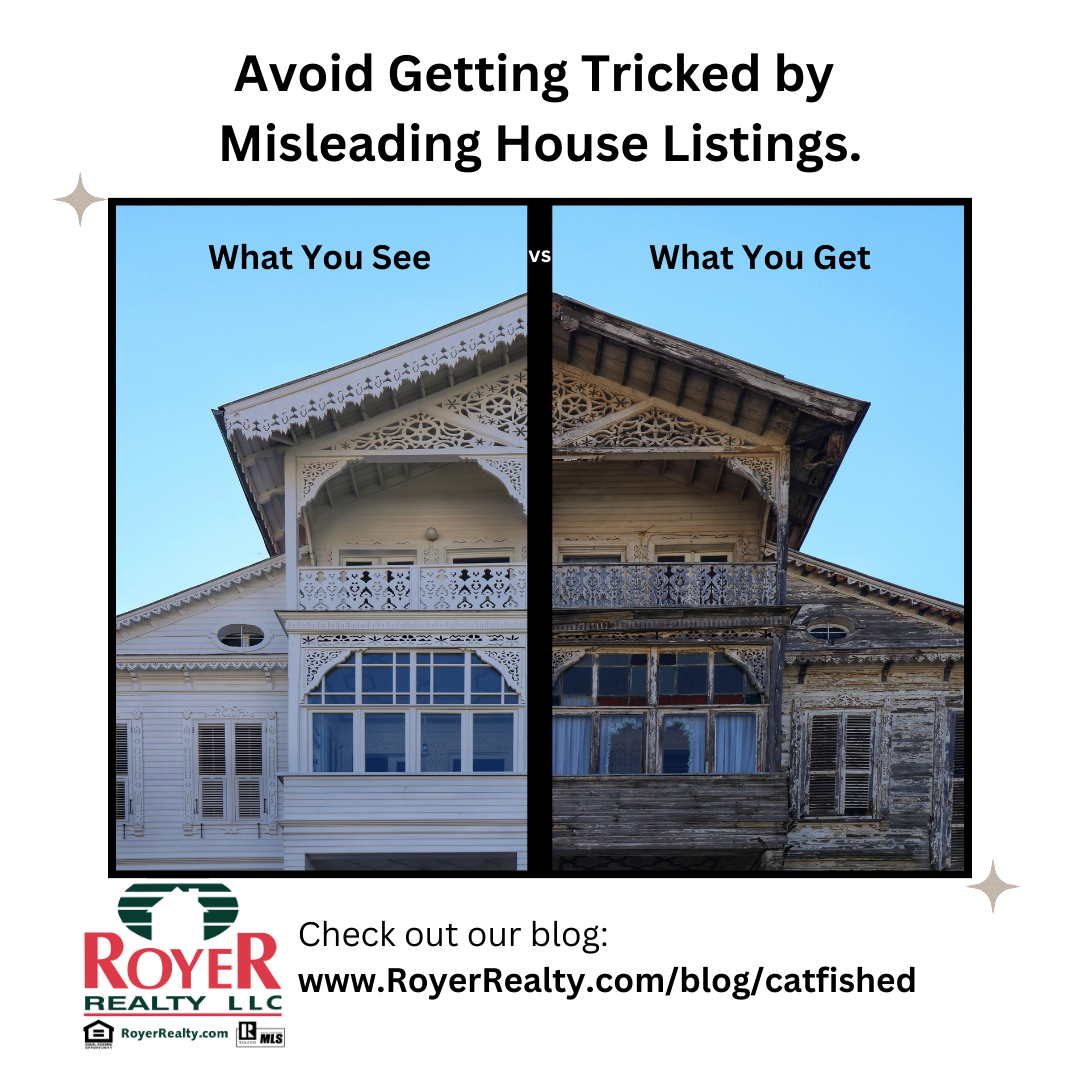
How to Avoid Being Catfished by a House Listing: Red Flags to Watch For

blog header image - avoid being tricked by misleading house listings


How to Avoid Being Catfished by a House Listing: Red Flags to Watch For

Buying a home can be an exciting yet stressful experience. Whether you're a first-time buyer or a seasoned homeowner looking for a new property, one thing remains true: you want to find the perfect place that checks all your boxes. Unfortunately, sometimes the house that looks perfect online isn't quite as advertised. In fact, it could be a "catfished" listing—one that has been deceptively altered to make the property look better than it really is. In this blog post, we’ll explore the common red flags to watch for and how to avoid falling victim to a misleading property listing.

1. Too Good to Be True Photos

One of the biggest indicators of a "catfished" listing is an overly edited or unreasonably perfect set of photos. If the pictures seem too polished, too bright, or show a home that looks unrealistically pristine, it’s time to dig deeper. Be wary of listings that don’t have enough pictures, or where rooms appear unnaturally spacious or sleek.

What to do: Request more photos or even a virtual tour. A reputable listing should have high-quality, honest pictures that represent the actual state of the home.

2. Missing or Vague Property Descriptions

Another red flag is when a listing's description is overly vague or doesn't include key details like the square footage, number of bedrooms, or the condition of the property. If you see phrases like "cozy" or "needs a little TLC" without more context, it's time to proceed with caution.

What to do: Always ask for more information about the property's history, any repairs that have been done, and any major issues. If the listing lacks these details, it could be a sign that the seller is hiding something.

3. Price Is Too Low for the Area

While everyone loves a great deal, a price that’s too low compared to comparable properties in the area could indicate that something’s off. It may seem tempting, but an unusually low price might be a tactic to attract attention to a home that has hidden flaws or serious issues that the seller wants to unload quickly.

What to do: Research the market in the neighborhood and compare the price of the listing to other similar homes. If the listing is far below market value, ask your real estate agent for a second opinion.

4. Outdated Listings That Don’t Match Reality

Sometimes listings go stale, but some sellers keep properties on the market, hoping to reel in buyers without updating photos or descriptions. If the house was listed months ago but the information remains unchanged, it's time to ask why.

What to do: Make sure the listing has recent updates. Ask when the listing was last updated and be cautious if the seller is hesitant to offer updated information.

5. A Seller Who Pushes Too Hard

If a seller or agent seems too eager to close a deal without letting you ask questions or fully inspect the home, this is a major red flag. They may be trying to rush you into a decision before you uncover all the flaws or inaccuracies in the listing.

What to do: Take your time during the buying process. Make sure you schedule a home inspection and have ample opportunity to ask questions about the property.

6. Overly Positive Reviews

While it’s good to see reviews from previous buyers, be cautious if the reviews are all glowing and seem too perfect. Fake reviews often highlight the same qualities and use similar language, which can be a sign that the listing is misleading or even fraudulent.

What to do: Look for reviews on multiple platforms and read between the lines. If something seems off, trust your instincts and consider looking for other options.


So, now what? See the Home in Person and Schedule Inspections!

While photos and online descriptions can provide a general idea of what a property looks like, there’s no substitute for actually seeing the home in person. Photos and virtual tours can hide flaws, while in-person visits can reveal issues like smells, noise levels, and structural problems. A professional home inspection can also uncover hidden issues like electrical or plumbing problems, and mold. Always prioritize in-person visits and inspections to avoid being misled by a listing and make a more informed investment decision.

What to do: Always make it a priority to see a home in person and schedule a professional home inspection. This is one of the best ways to avoid being catfished by a listing. If you’re unsure how to go about this, your real estate agent is able to assist in arranging tours and inspections to ensure you're not missing any crucial details.

Taking the extra steps of visiting the property and thoroughly inspecting it will help you avoid the costly mistake of falling for a misleading listing. It's always better to be safe than sorry when making such a significant investment.


How to Protect Yourself

In today’s digital age, home buyers have a wealth of information at their fingertips. But with that wealth comes the need to be discerning. It's crucial to recognize when something doesn’t seem quite right and to take steps to protect yourself.

Whether you’re working with a real estate agent or going solo, make sure to do your due diligence. If you see any of the red flags mentioned above, it's important to stay cautious.

Royer Realty is here to help ensure that your home buying journey is smooth and free from surprises. Ready to avoid the pitfalls of misleading house listings? Get in touch with Royer Realty today for professional guidance in finding your perfect home. Whether you're buying your first property or your next one, we have the knowledge and expertise to make your experience stress-free and successful. Call 937-592-7653 or visit www.royerrealty.com today!


Posted in Buyers, Marketing
May 22, 2025

Consumer Guide to Homeownership & Estate Planning | Royer Realty


Consumer Guide to Homeownership & Estate Planning | Royer Realty

for more information check out NAR's link:

https://www.nar.realtor/the-facts/consumer-guide-your-home-and-estate-planning?grp=all&narmail=EdgeUp-DataFeedTemplate&date=05-15-2025&user=6417067&itid=13484174

Posted in Resources
May 19, 2025

What is a Short Sale and How a REALTOR® Can Help You | Royer Realty

blog header image What is a Short Sale and How a REALTOR® Can Help You


A short sale is a term you might have heard when dealing with distressed properties or navigating the real estate market in tough economic times. But what does it actually mean, and how can a REALTOR® help you navigate this complicated process? Let’s break it down to help you understand the ins and outs of short sales and why having a real estate professional by your side is essential.

What is a Short Sale?

A short sale occurs when a homeowner sells their property for less than the amount owed on their mortgage. This usually happens when the homeowner is facing financial hardship and can no longer afford to make their mortgage payments. In a short sale, the lender (or bank) agrees to accept less than the full loan amount, allowing the homeowner to sell the property and settle their debt.

It’s important to note that short sales are different from foreclosures. In a foreclosure, the lender takes ownership of the property after the homeowner fails to make payments. With a short sale, the homeowner is still in control of the property and works directly with the lender to facilitate the sale.

Why Would Someone Consider a Short Sale?

Homeowners often pursue a short sale when they are unable to keep up with mortgage payments and are at risk of foreclosure. A short sale allows them to avoid the long-term consequences of a foreclosure, including damage to their credit score. It can also be a solution when the property’s market value has dropped significantly, making it difficult to sell for the price they owe on the mortgage.

For buyers, short sales can be an opportunity to purchase a property at a lower price than market value. However, they come with their own set of challenges, which is where a skilled REALTOR® can make a big difference.

How a REALTOR® Can Help with a Short Sale

While a short sale may seem like an appealing option for homeowners or buyers, the process can be complicated and time-consuming. Here’s how a REALTOR® can guide you through it:

  1. Expert Guidance: REALTORS® who specialize in short sales are familiar with the process and can provide crucial advice on how to approach the lender, price the property, and handle negotiations. They can also ensure that all necessary paperwork is completed correctly and submitted on time.

  2. Lender Negotiations: One of the most challenging aspects of a short sale is working with the lender to approve the sale. A REALTOR® experienced in short sales will handle these negotiations, which can take time and require persistence. They’ll work to ensure that the lender accepts the sale and agrees to a lower payoff amount.

  3. Pricing the Property: Accurately pricing a short sale property is essential. Overpricing can prevent a successful sale, while underpricing could mean losing money for the seller. A REALTOR® will conduct a comparative market analysis (CMA) to determine the right price to attract buyers while meeting lender requirements.

  4. Managing Buyer Expectations: Short sales often take longer to complete than traditional sales, and buyers need to be prepared for potential delays. A REALTOR® will communicate with all parties involved to ensure that everyone understands the timeline and any potential hurdles.

  5. Protecting the Seller’s Interests: For the seller, a REALTOR®’s role is to protect their interests throughout the short sale process. They’ll help negotiate the best possible terms and ensure the seller is aware of any potential tax implications or legal consequences of the sale.

Conclusion

A short sale can be a viable option for homeowners struggling with mortgage payments, but the process can be complicated. Whether you’re a homeowner looking to sell or a buyer considering a short sale property, working with a knowledgeable REALTOR® is crucial to navigate the challenges and ensure a successful outcome.

At Royer Realty, we specialize in short sales and are ready to guide you through the process, whether you’re selling or buying. Our team will provide the expertise, confidentiality and support you need to make informed decisions and successfully close the sale.


Need Help with a Short Sale?

Whether you're facing a financial challenge or interested in buying a short sale property, Royer Realty is here to help. Our team of experienced REALTORS® can guide you through the short sale process, negotiate with lenders, and protect your interests. Contact us today at 937-592-7653 or contact us online to schedule a consultation and get expert advice on your real estate needs.

Posted in Buyers, Resources, Sellers
May 13, 2025

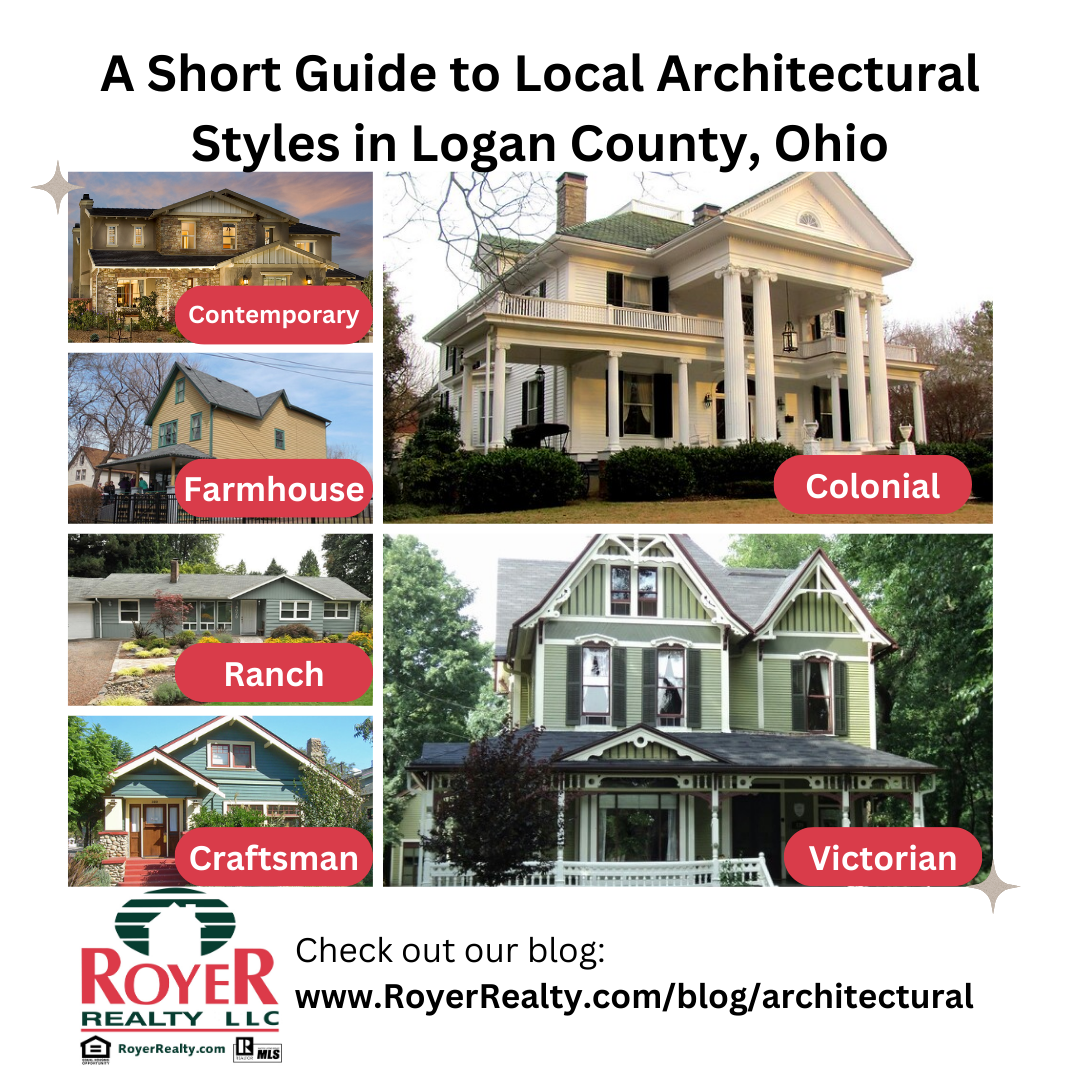
A Guide to Local Architectural Styles in Logan County, Ohio | Royer Realty

blog header image - A Guide to Local Architectural Styles in Logan County, Ohio

A Short Guide to Local Architectural Styles in Logan County, Ohio

Logan County, Ohio, is known for its charming small-town feel, rich history, and unique blend of architectural styles. From traditional farmhouses to early 20th-century craftsmanship, the homes in this region offer a visual story of the area's development. Whether you're a potential homebuyer, a seller, or simply someone fascinated by architecture, understanding the different local architectural styles can be an exciting and informative experience.

1. Colonial Revival

One of the most prominent architectural styles you'll find in Logan County is the Colonial Revival. These homes often feature symmetrical facades, brick or wood exteriors, and steep gabled roofs. Large, rectangular windows and decorative columns at the front entrance are hallmarks of this style. The Colonial Revival is often associated with the early 20th century and reflects a nostalgic return to the simplicity and elegance of America's colonial past.

2. Victorian Homes

Victorian architecture, with its intricate detailing and bold design, remains one of the most beloved styles in Logan County. These homes are known for their ornate trim, steeply pitched roofs, and vibrant color schemes. Many Victorian homes feature wraparound porches, bay windows, and stained glass, which make them a standout in any neighborhood. This style was particularly popular in the late 19th century and is a symbol of the era’s exuberant approach to design.

3. Craftsman Bungalows

If you're looking for a home with a warm, inviting atmosphere, the Craftsman bungalow might be the style for you. These homes are characterized by their low-pitched roofs, wide eaves, exposed rafters, and handcrafted woodwork. The Craftsman style embraces natural materials, with stone or brick accents and often large front porches that make the most of outdoor living space. This style gained popularity in the early 20th century and remains a popular choice in Logan County.

4. Ranch-Style Homes

The ranch-style home became popular in the mid-20th century, and you'll find several examples scattered across Logan County. Known for their single-story layout, wide facades, and open floor plans, ranch homes often include large windows that invite natural light into the living space. These homes reflect a more modern, casual living style, emphasizing easy flow between the indoors and outdoors. Ranch homes are ideal for those who appreciate a practical and functional design.

5. Farmhouses

Nothing says “Midwest charm” like a traditional farmhouse. Characterized by their simple, yet functional design, farmhouses in Logan County often feature wide porches, gable roofs, and large, open spaces for growing families. These homes are often made of wood or brick and can be found in both rural and suburban areas of Logan County. Their welcoming feel and practicality make them an enduring favorite for homeowners seeking a down-to-earth, rustic lifestyle.

6. Contemporary Styles

While older architectural styles dominate Logan County, you’ll also find some newer, contemporary homes that feature sleek, clean lines and modern finishes. These homes typically embrace open layouts, large windows, and minimalist design, making them a sharp contrast to the more traditional homes found in the area. Contemporary homes are becoming more popular in certain neighborhoods, especially among younger buyers looking for more modern amenities and aesthetics.

Conclusion

Logan County offers a diverse mix of architectural styles that tell the story of its rich history and evolving trends. From timeless Colonial Revivals to cozy Craftsman bungalows and rustic farmhouses, there’s a style to suit every taste. If you're considering buying a home in this charming county, understanding these styles can help you identify the type of property that best suits your needs and lifestyle. Whether you're drawn to the classic beauty of a Victorian or the simplicity of a ranch-style home, the variety of options available is sure to inspire.


Ready to Find Your Perfect Home in Logan County?

Whether you’re drawn to the historic charm of a Victorian home or the modern appeal of a contemporary design, Royer Realty is here to help you find the perfect property in Logan County. Contact us today to schedule a viewing or learn more about available homes in the area. Our experienced team is here to guide you through the entire buying process, so you can find a home that fits your style and lifestyle.

Call Royer Realty at 937-592-7653 or find one of our agents directly at www.RoyerRealty.com/About to get started!


May 7, 2025

The Right Real Estate Professional

blog header image - Choosing the Right  Real Estate Professional

Choosing the Right Real Estate Professional (& Why We’re the Best)

When it comes to buying or selling a home, choosing the right real estate professional is crucial. Not only do you need someone who understands the local market, but you also want an agent who listens to your needs, offers expert guidance, and works tirelessly to get you the best deal.


At Royer Realty, we pride ourselves on our deep knowledge of the Logan County real estate market and our commitment to providing personalized service to every client. Our team of professionals is dedicated to making the home buying or selling process as smooth and stress-free as possible. We’re here to ensure that you get the best price for your property or find the perfect home that meets your unique needs.


What sets us apart is our local expertise, professional integrity, and passion for helping clients achieve their real estate goals. Whether you're a first-time homebuyer or looking to sell your property quickly, Royer Realty is the trusted partner you need. We understand the ins and outs of Logan County, Ohio, and are ready to help you navigate today’s real estate market with confidence.


Ready to make your next move?
Choosing the right real estate professional is key to a successful transaction, and at Royer Realty, we’re here to guide you every step of the way. Contact us today at 937-592-7653 or contact one of our agent directly www.RoyerRealty.com/about to get started. Let’s find the perfect property or sell your home at the best price!


May 2, 2025

Cost Analysis ROI 2025

blog header image - Cost Analysis - Top Home Renovations with the Best ROI for Resale in 2025

Faster Resale for Clean, Move-In Ready Homes

One of the easiest ways to attract buyers and ensure a faster resale is by presenting a clean, move-in ready home. Buyers are often drawn to properties that require little to no work upon purchase, as they want to avoid the stress and cost of additional repairs or renovations. A fresh coat of paint, deep cleaning, and minor repairs—like fixing leaky faucets or replacing outdated light fixtures—can go a long way. Homes that are well-maintained and free from clutter make it easier for potential buyers to envision themselves living in the space. When your home is move-in ready, it not only speeds up the sale process but can also help you secure a better asking price, making it a smart strategy for homeowners looking to sell quickly.

When planning home renovations with an eye toward resale value, it's essential to focus on projects that offer the highest return on investment (ROI). In 2025, certain upgrades have proven to significantly enhance a property's appeal and market value. Here's a breakdown of top renovations, their average costs, and estimated ROIs.

1. Garage Door Replacement

Upgrading your garage door is a cost-effective way to boost curb appeal and home value.

  • Average Cost: $4,500
  • Added to Resale Value: $8,500
  • Immediate ROI: Approximately 189%

Source: Remodeling Magazine's Cost vs. Value Report 2025 (380companies.com)

2. Minor Kitchen Remodel

A minor kitchen update can modernize the space without a significant investment.

  • Average Cost: $24,000
  • Added to Resale Value: $22,000
  • Immediate ROI: Approximately 92%

Source: Remodeling Magazine's Cost vs. Value Report 2025 (380companies.com)

3. Landscape Maintenance

Investing in professional landscape maintenance enhances curb appeal and overall property attractiveness.

  • Average Cost: $3,000
  • Added to Resale Value: $5,500
  • Immediate ROI: Approximately 183%

Source: National Association of Realtors and National Association of Landscape Professionals 2025 Report (bhg.com)

4. New Wood Deck Addition

Adding a wood deck expands outdoor living space and appeals to many buyers.

  • Average Cost: $12,000
  • Added to Resale Value: $10,000
  • Immediate ROI: Approximately 83%

Source: Remodeling Magazine's Cost vs. Value Report 2025 (380companies.com)

5. Minor Bathroom Remodel

Updating bathrooms with modern fixtures and finishes can significantly impact buyer interest.

  • Average Cost: $10,500
  • Added to Resale Value: $9,000
  • Immediate ROI: Approximately 86%

Source: Remodeling Magazine's Cost vs. Value Report 2025 (380companies.com)

6. Steel Front Door Replacement

A durable and secure front door enhances both aesthetics and energy efficiency.

  • Average Cost: $2,500
  • Added to Resale Value: $2,000
  • Immediate ROI: Approximately 80%

Source: Remodeling Magazine's Cost vs. Value Report 2025 (380companies.com)

7. New Patio Installation

Installing a new patio creates an inviting outdoor space for relaxation and entertainment.

  • Average Cost: $7,500
  • Added to Resale Value: $6,500
  • Immediate ROI: Approximately 87%

Source: Remodeling Magazine's Cost vs. Value Report 2025 (380companies.com)

8. Finishing Space in the Basement

Converting your basement into livable space is one of the best ways to add value to your home. Whether it's an additional bedroom, office, or entertainment area, this renovation significantly boosts your home's square footage.

  • Average Cost: $25,000
  • Added to Resale Value: $20,000
  • Immediate ROI: Approximately 80%

Source: Remodeling Magazine's Cost vs. Value Report 2025 (380companies.com)

Conclusion

Focusing on renovations with high ROI can significantly enhance your home's resale value. Projects like garage door replacements, minor kitchen and bathroom remodels, and outdoor enhancements offer substantial returns without requiring extensive investments. Always consider your local market trends and consult with real estate professionals to determine the most beneficial upgrades for your specific area.


Ready to Maximize Your Home's Value?

If you're considering home renovations to boost your resale value, Royer Realty is here to guide you through the process. Whether you're tackling small updates or larger projects, our team of local experts knows exactly what home improvements offer the best ROI in Logan County and beyond. Contact Royer Realty today to discuss your renovation plans and how we can help you make smart investment choices for a successful resale.

Call Royer Realty at 937-592-7653 to learn more!


Posted in Buyers, Resources, Sellers
April 28, 2025

Understanding Loan Estimates

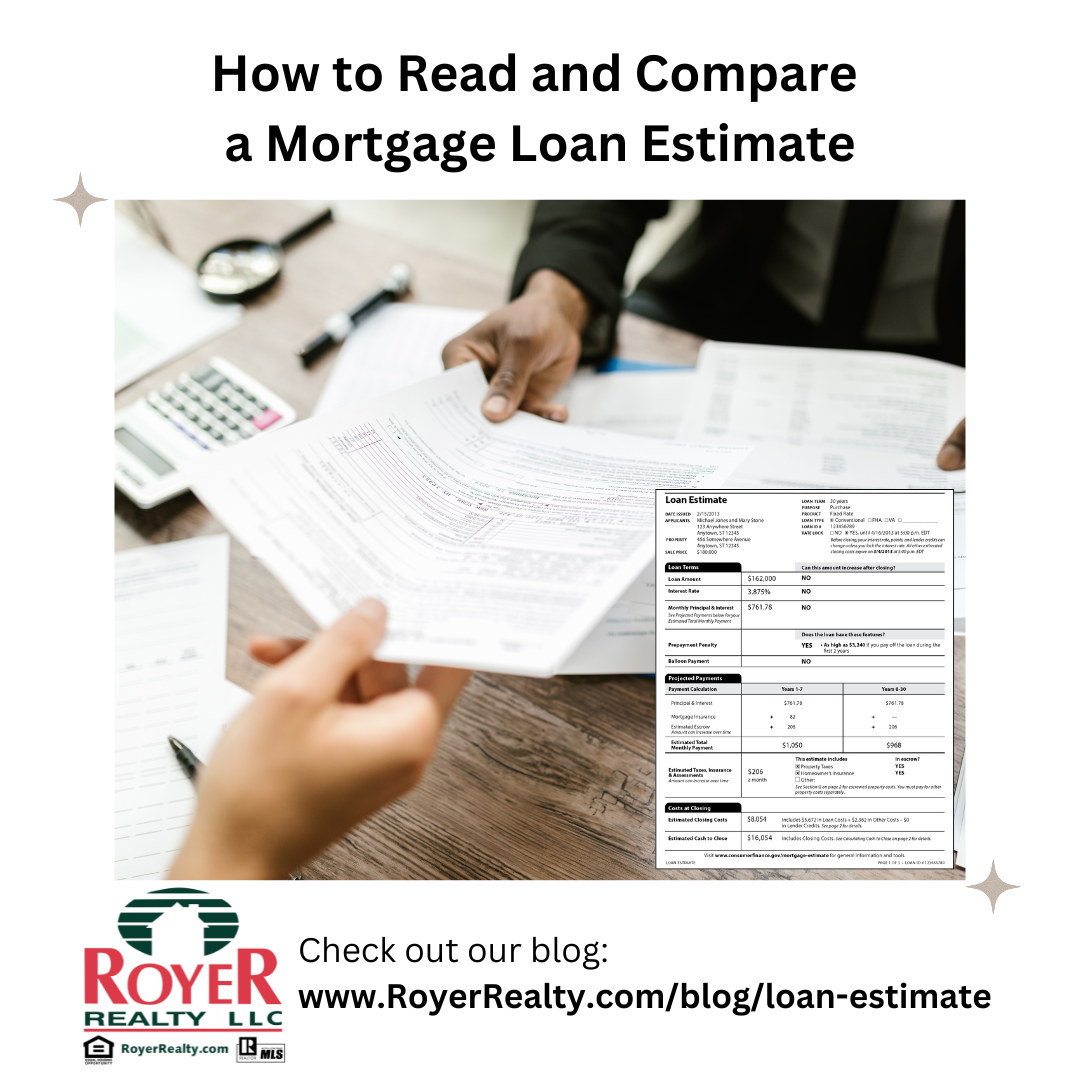
blog header image understanding loan estimates

How to Read and Compare a Mortgage Loan Estimate

When you’re shopping for a mortgage, understanding the Loan Estimate (LE) is crucial. This important document provides all the details you need to assess your mortgage options, compare offers from different lenders, and ultimately choose the best loan for your needs. In this post, we’ll walk you through how to read and compare a Loan Estimate so you can make an informed decision.

What is a Loan Estimate?

A Loan Estimate is a standardized form that outlines the terms and costs associated with your mortgage. Lenders are required by law to provide this document within three business days of receiving your application. It contains essential information about your loan, including interest rates, monthly payments, closing costs, and other important fees.

Understanding the different sections of the Loan Estimate will help you compare loan offers effectively. Here’s what to look for:

Key Sections of a Loan Estimate

1. Loan Terms (Page 1)

At the top of Page 1, you’ll find the Loan Terms section, which includes:

  • Loan Amount: The total amount you are borrowing.
  • Interest Rate: The interest rate for your loan, which can be fixed or adjustable.
  • Monthly Principal & Interest: This is the amount you'll pay each month for the loan’s principal and interest.

This section gives you a quick snapshot of the key details of your mortgage.

2. Projected Payments (Page 1)

This section breaks down your estimated monthly payments, including:

  • Principal and Interest: What you’ll pay toward the loan balance each month.
  • Mortgage Insurance: If applicable, this covers insurance costs if your down payment is below 20%.
  • Taxes and Insurance: Includes estimates for property taxes, homeowner’s insurance, and other escrowed costs.

The Projected Payments section is crucial for understanding your total monthly commitment, not just your mortgage payment.

3. Costs at Closing (Page 2)

This section outlines your closing costs, which are the fees you’ll need to pay when you finalize your mortgage. It includes both lender fees and third-party costs (such as appraisals and title insurance). Pay close attention to the following breakdowns:

  • Origination Charges: Fees the lender charges for processing your loan.
  • Services You Cannot Shop For: These are fees for services that the lender arranges, such as an appraisal or credit report.
  • Services You Can Shop For: These fees are for services you can choose, like title insurance or pest inspections.

The Costs at Closing section helps you understand the upfront costs of your loan, beyond the down payment.

4. Loan Costs (Page 2)

Here you’ll find a detailed breakdown of the fees and costs associated with your loan, including:

  • Appraisal Fees: The cost for the lender to have the home appraised to determine its value.
  • Credit Report Fees: The cost of obtaining your credit report from the credit bureaus.
  • Underwriting Fees: Fees for processing the loan, including reviewing your application and verifying information.

While these fees can vary from lender to lender, comparing them can give you insight into which lender is offering a better deal.

5. Other Considerations (Page 3)

The final section of the Loan Estimate outlines important details about your loan, such as:

  • Prepayment Penalties: Some loans may include penalties for paying off the loan early.
  • Assumption: Whether or not someone else can take over the loan if you sell the property.
  • Servicing: Whether the lender intends to service the loan themselves or sell it to another company.

Understanding these elements can help you avoid surprises down the road.

How to Compare Multiple Loan Estimates

When you receive Loan Estimates from different lenders, it’s important to compare them side by side. Here are some tips to help you make an informed comparison:

  1. Interest Rates vs. APR: Compare the interest rate and APR. The APR reflects the total cost of borrowing, including both the interest rate and other fees. This is an important tool in assessing the overall cost of a loan.

  2. Loan Type and Terms: Ensure the loan type aligns with your needs. Whether it’s a conventional loan, FHA, or VA loan, the terms can vary significantly.

  3. Closing Costs: Compare closing costs and ask whether certain fees can be negotiated or adjusted before closing.

  4. Lender Reputation and Service: Don’t forget to assess the lender’s reputation and customer service. A smooth, transparent process is just as important as the terms of the loan itself.

  5. Adjustable-Rate Loans: If considering an adjustable-rate mortgage (ARM), be sure to ask about adjustment periods and rate caps to avoid surprises.

By carefully reviewing the Loan Estimate, you can secure the right mortgage for your needs and avoid any surprises along the way. Always take your time to compare and ask questions, ensuring the loan you choose works best for your financial goals.


Ready to take the next step in your home-buying journey?
Understanding your mortgage loan estimate is crucial, and we're here to help you every step of the way. If you have any questions or need assistance comparing loan estimates, don't hesitate to reach out. Contact Royer Realty at 937-592-7653 or visit www.royerrealty.com today! Let us guide you through the mortgage process and help you find the perfect home.


Posted in Buyers, Resources